
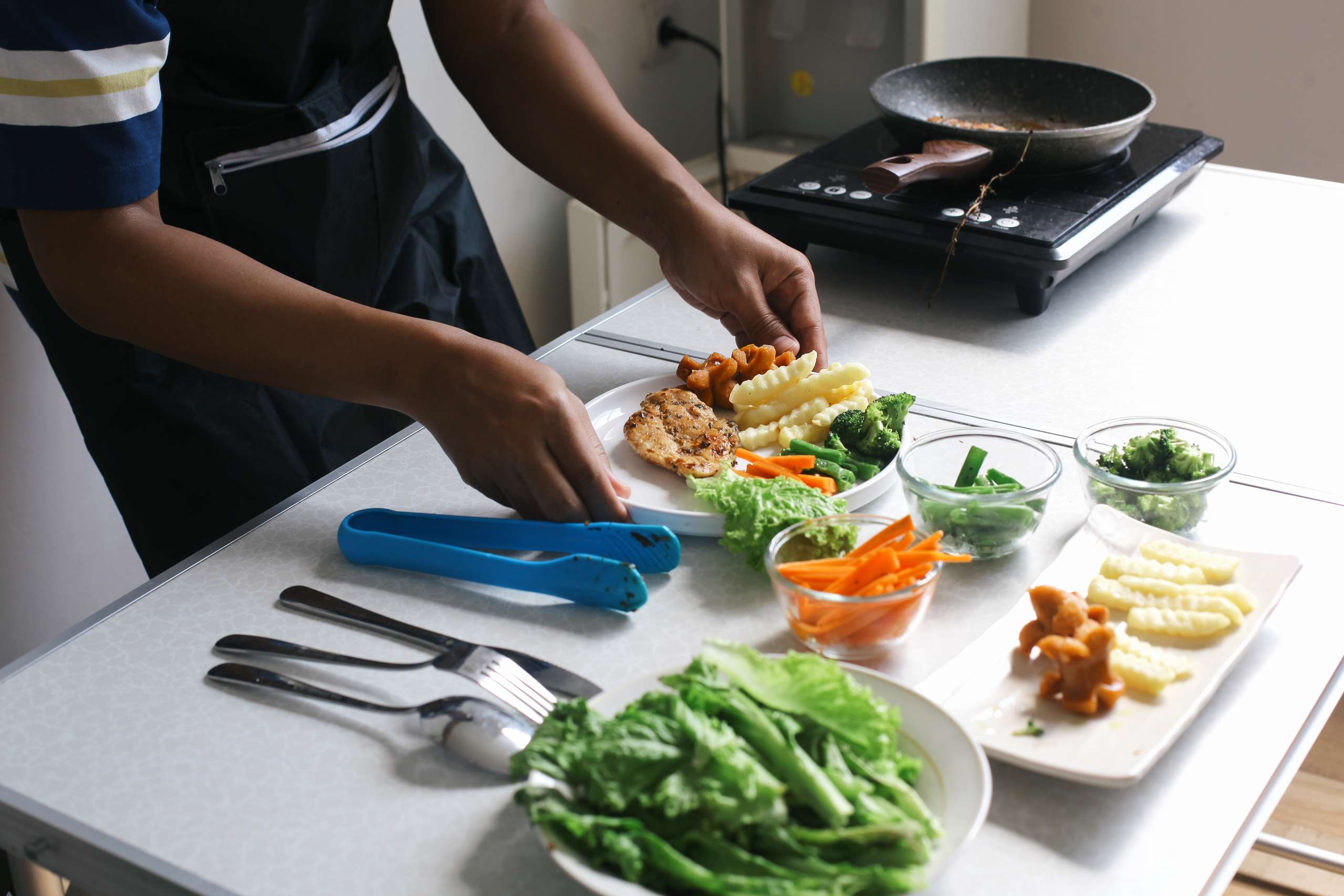
Balancing Flavors in Your Daily Dishes
But what is flavor balance, exactly? Simply put, it’s when you hit all the notes (sweet, sour, salty, bitter, umami) and the dish tastes good. But for most of us, who don’t have all day to think about or prepare our food, flavor balance is a gut check that happens on the fly. You might add a squeeze of lemon to balance a rich sauce, or drizzle a bit of honey to balance a bitter green. Understanding this basic relationship makes us more capable and creative cooks.
To work on this skill, start by identifying the basic ingredients you use most often and the flavors they naturally have. Tomatoes, for example, have both acid and umami. Onions, when cooked down, add a bit of sweetness. Fresh herbs like basil or thyme can add a bit of bitterness to cut richness. When you deliberately mix and balance them, you can turn a boring pasta into one that tastes of something. This habit, in time, will make cooking feel less like a task and more like a fun puzzle. Tweaking a few ingredients can make a big difference in the way your meal tastes.
But as you get into the weeds, the importance of texture becomes increasingly vital, because it affects our interpretation of freshness, whereas softness is associated with comfort. So, tossing toasted nuts into a salad gives us not only a nutty flavor but also a respite from the crunch of the vegetables, with their soft leaves. This way of thinking of taste as a sensory experience encourages you to consider the whole meal, including the fragrance of the food and the texture in the mouth. Once you develop this skill, cooking recipes in your repertoire becomes more flexible, because you can use one ingredient if you have it, and another if you have that instead.
While flavors are easily lost if they’re stronger than others, this problem can be easily solved by tasting your food as you go and making changes along the way. It’s easy to add too much salt at the beginning and drown out the other flavors, for example, so it’s best to add it as you go and save things like herbs or a squeeze of citrus for the end to liven up the dish. Tasting as you go allows you to make mistakes and learn from them, developing your palate with time.
Finally, developing a sense of flavor balance helps you develop a healthy relationship with food and to cook in a way that is maintainable: you’ll learn to rely on what’s in season to create balance instead of relying on ingredients that are out of season, thus minimizing food waste and maximizing nutrition. And, it makes cooking incredibly enjoyable: you’ll find yourself cooking in a way that is enjoyable and fulfilling, and there’s always room to learn and improve, since it’s something you do everyday.